
Haiti’s qualification for the 2026 World Cup should have been a moment of total celebration, a historic event celebrated by the entire diaspora. But the euphoria quickly faded in the face of the American political climate. As soon as this qualification was announced, the Trump administration confirmed that, as with Iran, Haitian supporters would not be authorized to enter American soil for the World Cup.
Even Haitians already present in the United States or wishing to go there to attend the meetings risk being subject to increased surveillance. A decision that was immediately perceived as discriminatory, especially after several months of hostile rhetoric specifically targeting Haitian immigrants.
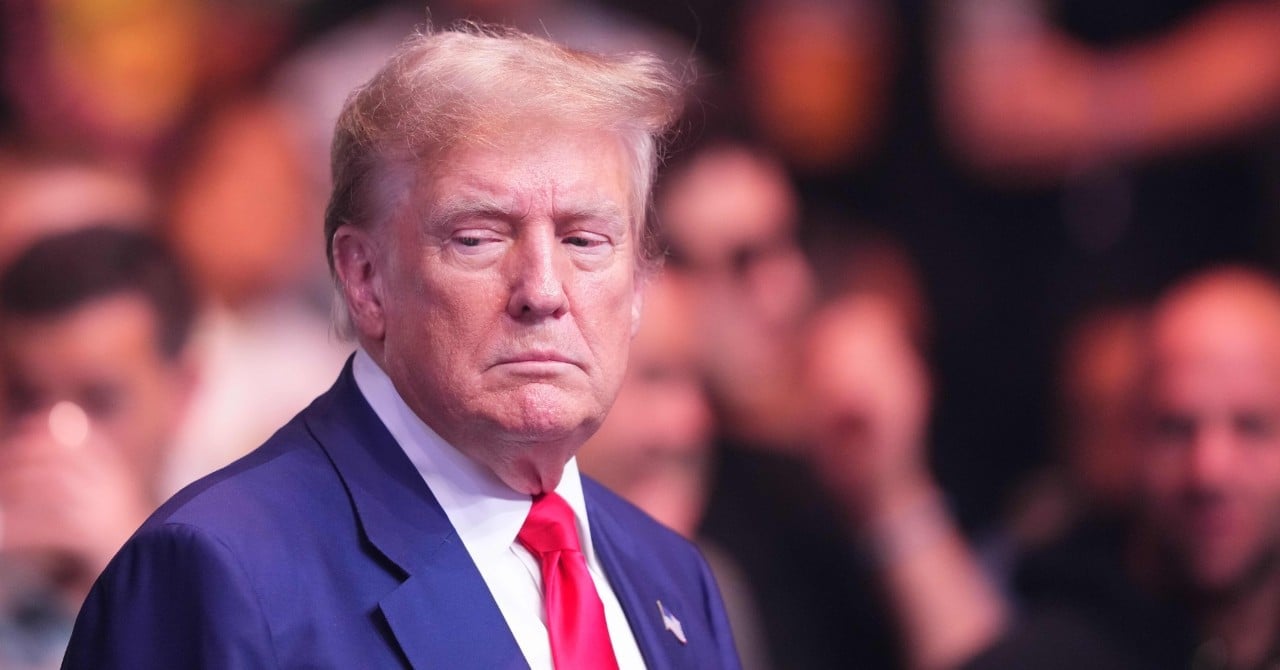
This tension is echoed in a now infamous outing by Donald Trump, during a debate in 2024, where he relayed a false rumor concerning Haitian nationals from Springfield, Ohio. According to him, “In Springfield, they eat dogs. They eat cats. They eat the pets of the people who live there. And this is what is happening in our country, and it is shameful. » A completely unfounded accusation, denied by the local authorities, but which served as fuel for an already well-established stigma.
A first World Cup in 42 years
With the approach of a World Cup organized partly in the United States, this restrictive policy casts a shadow over the global celebration. For Haiti, what should have been a great sporting story is transformed into a symbol of migratory tensions and ever more accepted discrimination.
However, this will not prevent the group coached by Sébastien Migné from experiencing a great sporting and human story, probably with the support of thousands of fans, happy to see their country return to the World Cup for the first time since 1974.
