
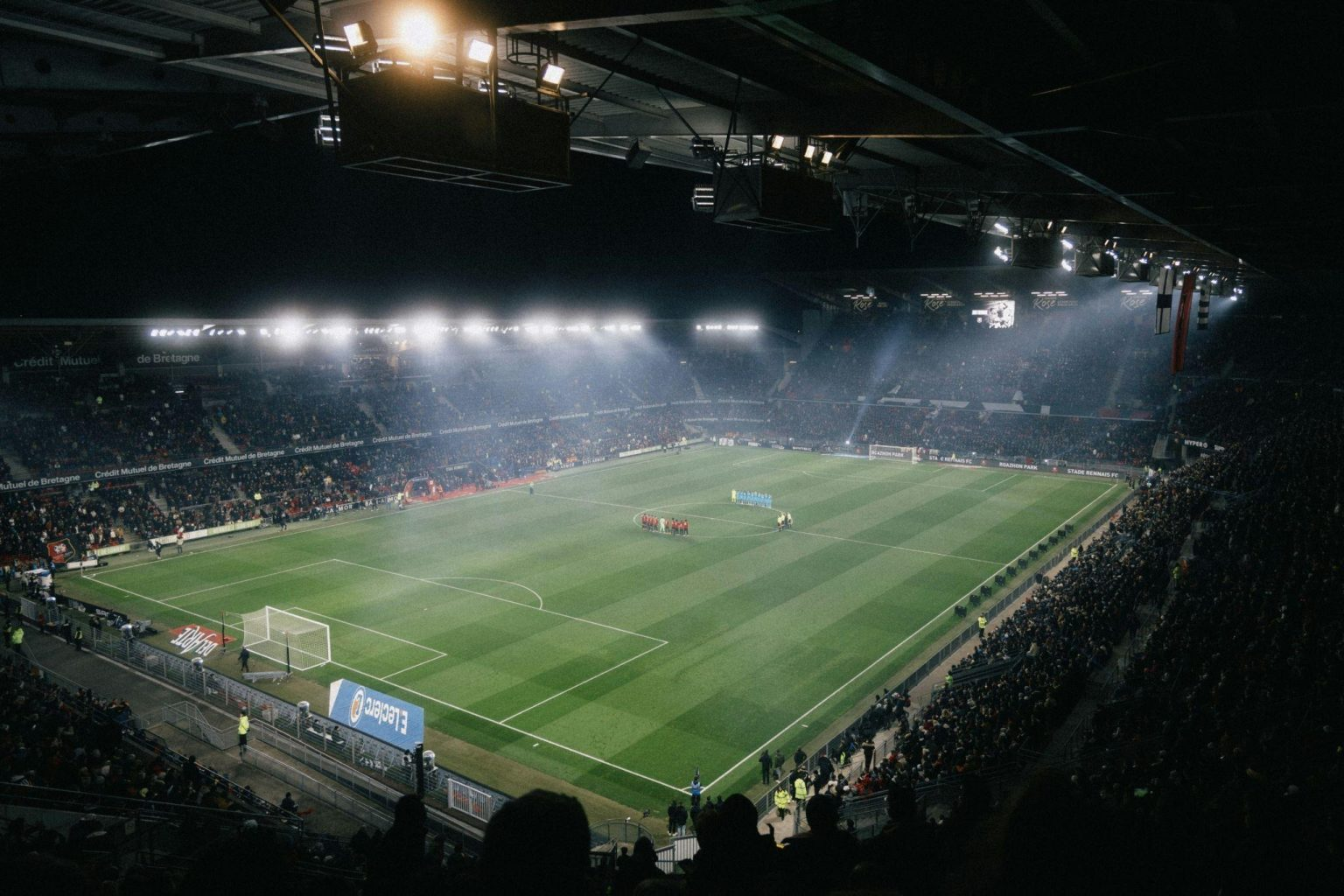
Ligue 1 is currently tearing up its old digital playbook. Even at the Stade Vélodrome or the Allianz Riviera, where the atmosphere still boils over from raw fan energy, the tech behind the scenes has changed completely. By 2026, “smart stadium” features aren’t just a flex for the elite clubs anymore; they are the baseline across the league. This mix of high-density 5G and IoT is finally killing off the “digital blackout” that used to make your phone useless on matchdays.
Breaking the Connectivity Barrier
In previous seasons, the biggest headache for fans was the total loss of signal once they entered the stadium gates. In 2026, that frustration is largely gone. Dedicated 5G small-cell networks now wrap around stadium bowls, allowing 60,000 people to upload 4K video or stream live stats simultaneously. This infrastructure is the only thing standing between connectivity and chaos during high-traffic flashpoints like Le Classique, or when the national spotlight hits France during the 2026 international windows. In these moments, the demand for bandwidth is no longer a luxury—it’s a requirement for a global audience.
But this is about more than just social media clout. It’s the backbone of the LFP’s new Ligue 1+ streaming model. Fans in the stands are basically acting as their own directors now, using their phones to pull up instant VAR replays or different camera angles while the ref is still standing on the pitch, making a call. It brings that home-broadcast precision directly to the terraces.
Digital Habits and the “Second Screen”
The move toward a “second screen” has turned a 90-minute match into something much more fragmented. Fans aren’t just sitting back and watching anymore; they are constantly jumping into a digital space that runs right alongside the physical game. Whether it’s pulling up live metrics or arguing in a thread, this shift from passive viewing to active participation means a supporter’s attention is always bouncing between the grass and their phone.
In this environment, the actual speed of a platform is just as vital as the club’s official app. Supporters now expect interactive systems that can keep up with the split-second nature of a live match. The draw of high-performance interfaces, from widely used platforms like SofaScore and OneFootball to more interactive environments such as Jackpot City, fits into this broader trend where real-time responsiveness and constant engagement are what keep a fan connected. The stadium’s 5G backbone is what finally makes this level of interaction possible, ensuring the digital layer is actually as fast as the action on the pitch.
IoT and the End of the Concourse Crush
The Internet of Things (IoT) is doing the heavy lifting behind the scenes to fix the logistics of a matchday. This network of sensors and smart devices is designed to tackle the “friction” points that usually ruin a fan’s afternoon:
- Live Queue Data: Official club apps now use sensors to track concession and restroom traffic. Fans can check a live “heat map” of the concourse to find the shortest line, ensuring they aren’t stuck in a hallway when a goal is scored.
- In-Seat Delivery: In modern venues like Groupama Stadium, fans can order food or a new club scarf via their phone. IoT-integrated kitchens prioritize these orders based on the fan’s specific seat location.
- Rapid Entry: Physical tickets have been replaced by NFC-enabled mobile passes. IoT turnstiles process thousands of fans per minute, preventing the massive bottlenecks that used to form an hour before kickoff.
Tactical Data for the Modern Fan
For the tactically obsessed, the Smart Stadium offers a level of data that was previously hidden. Many Ligue 1 clubs now provide live tracking overlays. By tapping into the stadium’s optical tracking cameras, fans can see real-time stats like a player’s top speed during a counter-attack or a live passing network. Seeing the physical data of a player like Bradley Barcola in real-time adds a professional layer to the viewing experience that was once impossible for the general public.
