
A ritual that resists the digital tide
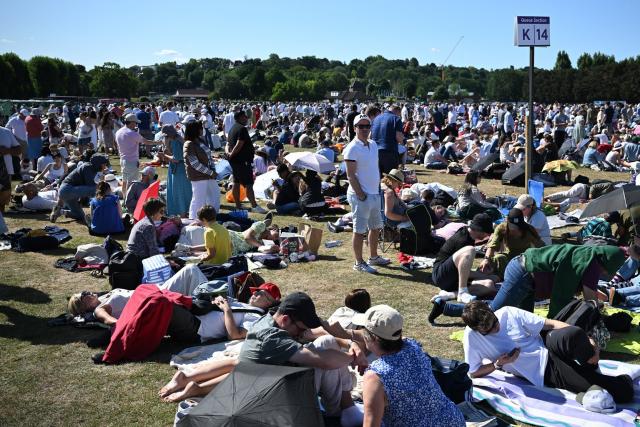
At a time when most major events push fans through apps and digital lotteries, Wimbledon stubbornly keeps a space for the old-fashioned guichet and the very British Queue. Every morning, more than 15,000 hopefuls line up with coolers and sleeping bags, chasing a paper wristband that becomes a memory as much as a ticket. The line is a living tradition, a choreographed patience that turns waiting into belonging.
“I’ve never seen so many people, in more than ten years, queuing,” is a sentence that echoes across the fields, especially on sunlit Mondays. You hear it from stewards, from volunteers, from fans who brought Thermoses and stories to share with strangers. The Queue is atmosphere first, access second, and both are part of the show.
A bulwark against bots and speculation
The logic is simple, and it’s surprisingly effective. First-come, first-served creates clarity, and clarity creates trust. You cannot be out-clicked by a bot, outbid by a scalper, or outpaced by a shadowy algorithm.
Wristbands at dawn, face-value prices, and strict caps keep the market grounded in reality. Standing in line imposes a human cost, which discourages arbitrage and rewards those who genuinely care. It’s not perfect, but it’s a friction that protects the spirit of fairness.
Heritage you can feel, not just stream
Wimbledon sells more than seats; it sells a choreography of manners. The Queue fits that theater of ritual, alongside white kit, hushed decorum, and strawberries-and-cream nostalgia. The act of queuing makes the event feel earned, adding a prelude to the day’s tennis that you cannot download or archive.
The line becomes part of the narrative, a rite that fans describe for years rather than a transaction that vanishes in an email confirmation. It’s tactile, communal, and mildly absurd—and that’s precisely the point. Wimbledon’s brand is restraint and continuity, and the Queue amplifies both with grace.
Inclusion by simplicity
Not everyone has the latest smartphone, the fastest Wi‑Fi, or the confidence to battle a 10‑second online drop. A physical queue offers a low-tech doorway for older fans, spontaneous travelers, and locals who decide on the day the sun finally appears. It democratizes access by time, not by digital advantage.
For families and students, a day on the Hills with a Grounds pass can be more affordable, and the queue makes that spontaneity possible. If the forecast clears or a work plan shifts, you can still turn up, line up, and hope for Centre or No.1 Court via returns. It’s slow, yes, but it’s visible, understandable, and humane.
Practical reasons the system endures
- It dilutes bot-driven scarcity and reduces incentive for scalping.
- It turns waiting into a shared experience, not a solitary refresh.
- It provides day-of flexibility for locals and last-minute travelers.
- It generates authentic media moments and community stories.
- It aligns with the event’s ethos of order, patience, and courtesy.
Order in the open air
The Queue is far from a free‑for‑all; it’s managed with meticulous rules and a surprisingly cheerful discipline. Numbered cards, wristbands, and a measured flow to the gates turn human chaos into human order. Overnight campers are guided by a published code, which makes the whole ritual oddly predictable.
By pacing arrivals through the morning, Wimbledon reduces crushes at choke‑points and respects the calm of the local streets. The slow, steady feed of people matches the slow, steady opening of courts. The result is smoother than a single digital drop, with fewer peaks and panicked refreshes.
Modernity without surrender
None of this rejects technology outright: ballots, online sales, and an official resale coexist with the grass-and-canvas Queue. The blend protects integrity while acknowledging the convenience fans now expect. Wimbledon moves, but it moves with intent, folding new tools into old values.
There are drawbacks—time, weather, accessibility for those who cannot stand for hours—and they deserve genuine, practical solutions. But the Queue’s persistence suggests something deeper: people crave experiences with texture, not only with speed. In a frictionless age, a little friction feels like a feature.
The meaning behind the wait
Standing side by side at dawn, you learn a stranger’s favorite player, trade sunscreen and biscuits, and mark the passing minutes like points in a tight tiebreak. By the time you step through the gates, you’ve already lived a chapter of your day. The ticket is proof of patience, and patience is part of the prize.
Wimbledon remains one of the last major events to truly honor the line, not because it resists the future, but because it remembers the human scale. The Queue turns access into story, and story into lasting memory—a humble stretch of grass where anticipation becomes joy.
