
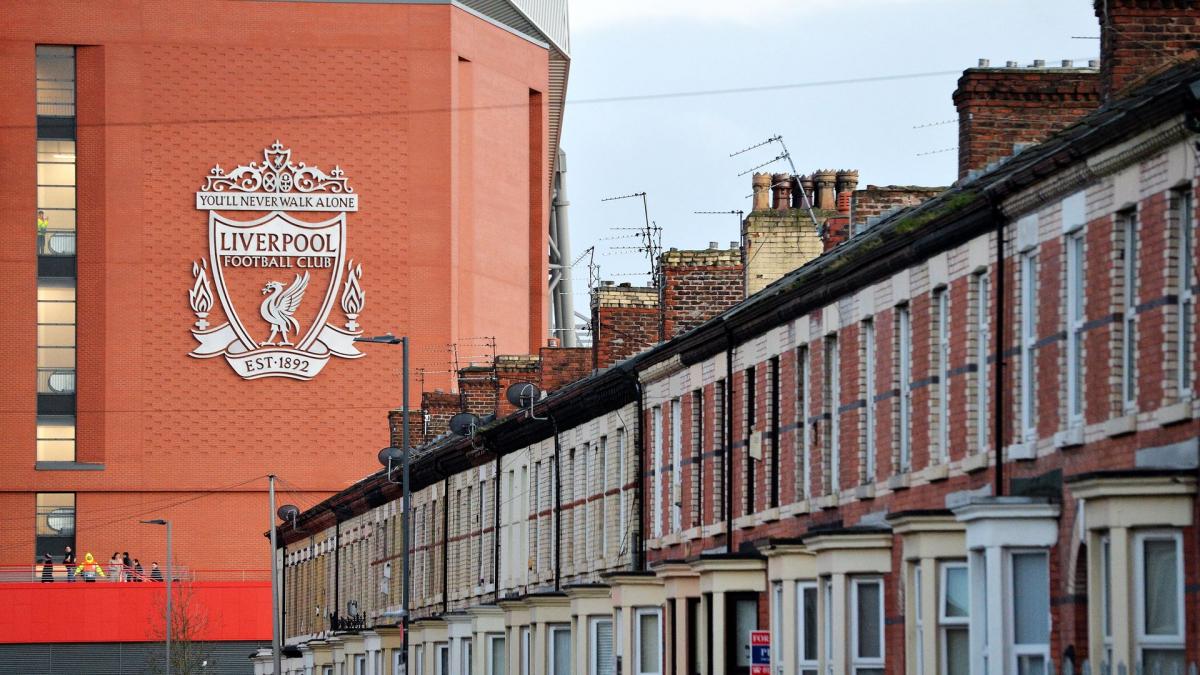
After 13 years of investigations, one of the longest and most costly cycles of investigations in British judicial history, the report from the Independent Office for Police Conduct (IOPC) has reignited, with dull violence, the pain and anger surrounding the Hillsborough tragedy. This disaster, which occurred on April 15, 1989 and caused the death of 97 Liverpool supporters, remains the worst sporting tragedy in the country, but also the symbol of a police cover-up on an unprecedented scale. The report, although described as “comprehensive and detailed” by bereaved families, confirms 110 cases of serious breaches: repeated lies, changes to declarations, abuse of authority, neglect of the duty of vigilance. He even names 12 police officers who should have been prosecuted for serious misconduct. But he nevertheless comes to the chilling conclusion that no one will be punished. For the victims’ relatives, it is a “national shame”yet another trauma inflicted on families, some of whom have been fighting for 36 years to have a truth already established time and time again recognized: South Yorkshire Police lied, failed in their mission and tried to shift the blame onto the supporters they were supposed to protect.
Throughout the reactions collected, one observation comes back, heavy and almost resigned: “We will never get justice. » The words are from Charlotte Hennessy, who lost her father, Jimmy, aged 29. They resonate like a cry broken by decades of procedures and endless waiting. Her mother, she recalls, died even before the public inquiries of 2014-2016 formally confirmed police misconduct. Margaret Aspinall, a historic combat figure, whose son James was 18, talks about a country capable of leaving police “get away with it, with a full pension”. His bitterness targets in particular David Duckenfield, the officer in charge of the match, who had invented the lie according to which Liverpool supporters had forced a door to enter the stadium, a lie which he never paid despite being indicted for manslaughter in 2019, ultimately resulting in an acquittal. The families still refuse his apologies. Just as they denounce institutional inertia because most of the police officers identified by the report are now retired or dead, protected by legislation which prohibits disciplinary proceedings against agents who left their functions before 2017.
13 years of pointless waiting
The IOPC report also reveals new disconcerting elements, which give the case an almost dizzying dimension. Just when the full extent of police manipulation was thought to be known, investigators say they have uncovered more than 130 additional altered statements by South Yorkshire Police, bringing the total number of falsified documents to more than 300. For families, it’s another shock. How, after so many investigations, so many testimonies and so much evidence already brought to light, could the cover-up prove to be even deeper than we believed? The failings identified affect high-ranking officers including Superintendent Roger Marshall, Assistant Commissioner Walter Jackson and Sir Norman Bettison. Some subsequently built prestigious careers, sometimes even honored by the State. To which the relatives of the victims respond that it is now impossible to fully measure ‘the scale of South Yorkshire’s deception’as missing documents, missing videos and opportunistic memory lapses have shaped a judicial fog that has become structural.
For many, the cruelest irony lies in the sheer length of this thirteen-year process to arrive at what the families knew as early as 1989. The IOPC recognizes that its report is the culmination of “long processes, including the longest investigations in English legal history”. A completion which will have cost more than 150 million pounds sterling, a colossal financial and psychological burden and largely borne by the families themselves, forced to finance a fight lasting several decades from their own resources. Margaret Aspinall recalls that the process would never have lasted so long if the police had recognized their errors from the start, rather than locking themselves into a strategy of institutional protection. Kathie Cashell, deputy director general of the IOPC, adds that this report should serve as a lesson. Organizations that prioritize their reputation over the truth expose themselves to moral and legal disasters. The families take note of an important document, but emphasize that it only confirms a past that they alone had to bring to light.
In this landscape saturated with pain and injustice, one step forward nevertheless remains symbolic: the Hillsborough law, imposing a legal obligation of transparency on all civil servants and police officers, adopted thanks to the tireless determination of the families. This law, they claim, would have profoundly changed the trajectory of the drama if it had existed earlier. It could prevent an institution from manipulating the truth again to evade its responsibilities. But it does not erase the feeling of failure, nor the divide which still runs through English football. Because Hillsborough is not only a tragedy of the past, it is an incandescent hotbed that continues to burn the collective imagination. “Time has got the better of us”breathes Steve Kelly, who lost his brother Michael. “We were young in Hillsborough, we are old now. This must not happen again. » After 36 years of scandals, lies and battles, British football finds itself once again forced to face the catastrophe which has shaped its history and which, even today, reignites its conscience.
