
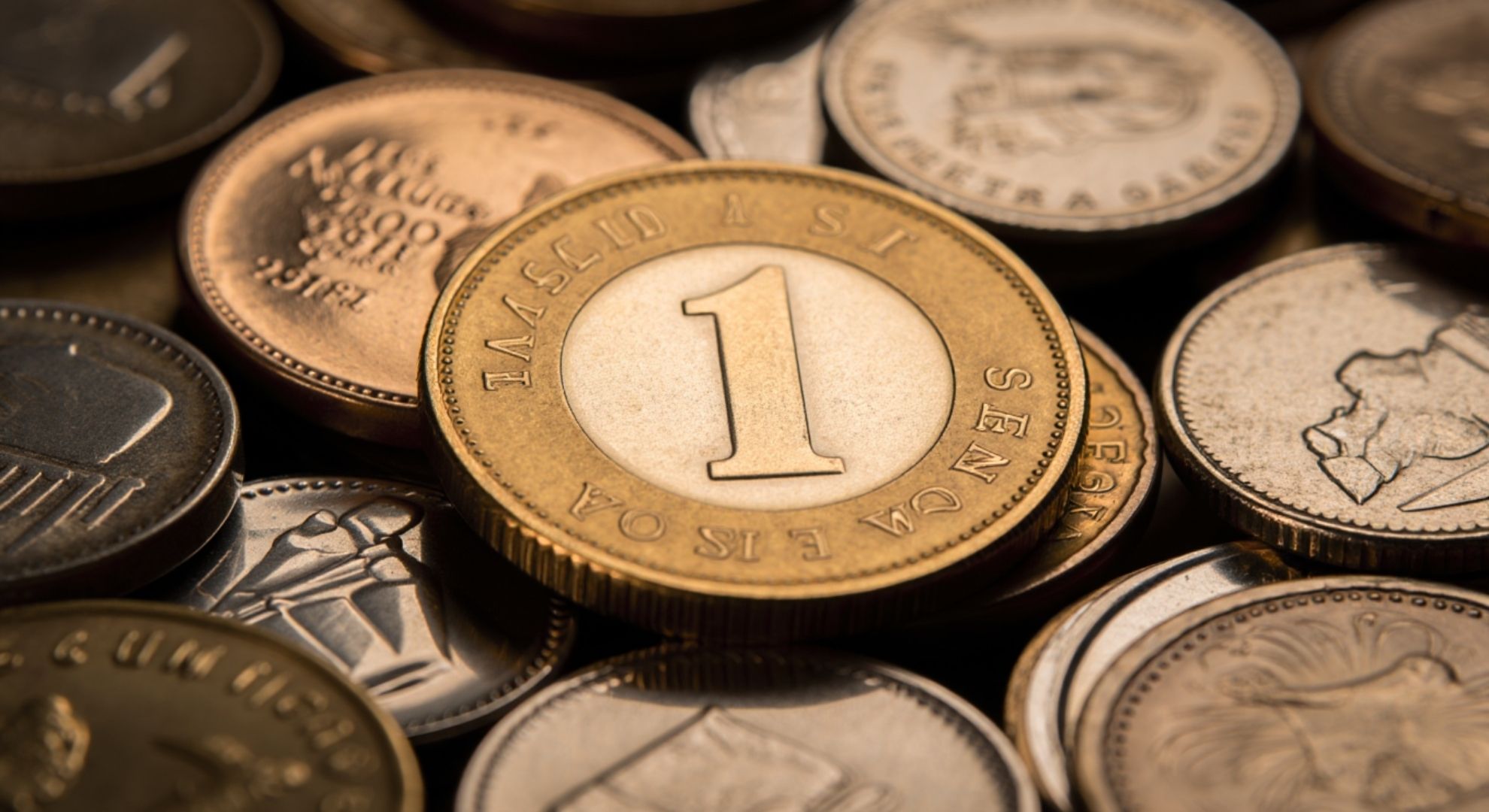
From everyday coin to collector’s treasure
For decades, the South African 1 Rand coin has been an ordinary piece of currency, used for buying groceries, bus tickets, or morning coffee. But certain editions of this coin, minted in specific years, have now become highly sought after by collectors. Their value has skyrocketed, turning a simple coin into a small fortune.
The big question: could one of these valuable coins be sitting unnoticed in your wallet or coin jar at home?
Why some 1 Rand coins are worth so much
Not all 1 Rand coins are valuable — only specific ones with unique features stand out. The most prized editions are those produced in limited numbers, struck with errors, or linked to historical events.
Some factors that make them valuable include:
- Low mintage years, when only a few coins were produced.
- Minting errors, such as misaligned prints or double strikes.
- Historical significance, tied to moments of political or economic change.
“Collectors are always looking for coins that tell a story — rarity and history combined make them priceless,” explains a numismatic expert based in Cape Town.
The most valuable editions
Among the 1 Rand coins, those minted in the 1960s and 1970s have become especially desirable. Certain coins feature Springbok antelope designs, while others carry portraits that have since disappeared from circulation.
Coins in uncirculated or proof condition (those that have never been used) can fetch staggering amounts at auctions.
How do they compare to ordinary coins?
To give an idea of the difference in value, here’s a simple comparison:
| Type of 1 Rand Coin | Circulation Status | Estimated Value Today | Collectors’ Interest |
|---|---|---|---|
| Common 1 Rand (recent years) | Used daily | 1 Rand (~$0.05) | Very low |
| 1970s rare Springbok edition | Circulated | 500 – 1,000 Rand (~$25–50) | Moderate |
| 1960s limited proof edition | Uncirculated | 10,000 Rand+ (~$500+) | Very high |
| Error coins (misprints, strikes) | Rare | Up to 50,000 Rand+ (~$2,500+) | Extremely high |
This table shows just how much difference rarity and condition can make — from pocket change to thousands of dollars.
How to check if you own one
Many South Africans, and even tourists who once visited the country, may unknowingly have one of these coins. Here are the key things to look out for:
- Check the year of minting — coins from the 1960s–70s are most promising.
- Inspect the design — rare Springbok or older portraits can signal high value.
- Look for errors or unusual marks.
- Assess the condition — the less worn, the more valuable.
A booming collectors’ market
The global market for rare coins is booming, with collectors from around the world willing to pay top prices for unique pieces. Online auction sites and specialized numismatic fairs have seen bidding wars over these South African coins.
Some sales have even exceeded expectations, with buyers willing to pay ten times more than the original estimate.
Should you sell or keep it?
For those lucky enough to discover one of these coins, the dilemma is clear: sell it now to cash in, or keep it in hopes that its value will rise further.
Experts generally advise that rarity-driven coins continue to appreciate, especially as fewer survive in good condition. But the market can also fluctuate depending on demand.
A hidden fortune in plain sight
What was once a simple coin for everyday purchases has now become a symbol of hidden wealth. The 1 Rand coin proves that sometimes, treasures aren’t buried underground — they’re hiding in plain sight, perhaps even in your pocket.
So next time you sort through your loose change, take a closer look. You might just discover that you’ve been carrying a small fortune all along.
