
Today, almost every statement comes with a number tacked on to support it. This article traces how statistics became the shared vocabulary of supporterism, and what this shift has really changed, or not.
The old world of “instinct”
Before the data age, a post-match debate had no common point of reference. Two fans could watch exactly the same ninety minutes and both come away convinced of opposite things, without the slightest way to decide between them.
Consultants themselves resolved disagreements through authority and experience, rarely through proof that anyone could verify. Lacking common ground, we argued as much about facts as opinions: not only about the interpretation of a match, but about what actually happened in it.
From the punditry to everyone’s pocket
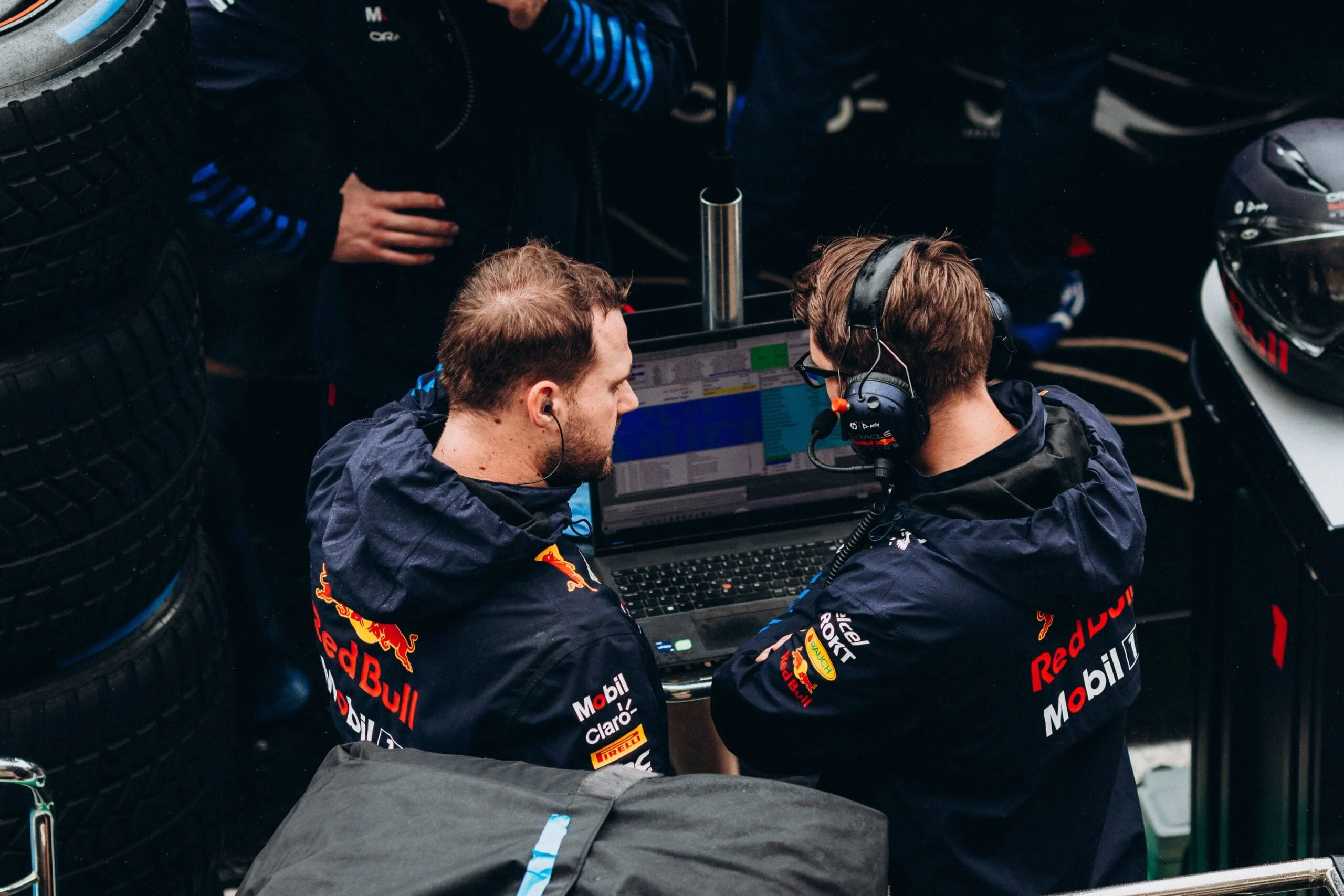
Numbers first entered football through the television screen. Indeed, key statistics, such as possession, distance covered or successful passes were displayed in the background, while a consultant built his argument, and the viewer gradually absorbed this vocabulary without always trying to understand the detail.
Then this culture of numbers ended up settling into the fan’s very routine before a match. On Starsport, for example, a dedicated tab, called Insights, brings together a selection of bets and the statistics which shed light on many aspects, whether it is the number of goals in recent matches, the results of direct confrontations or even trends by half-time. Here, the idea is simple, allow the player to make a logical choice rather than a blind estimate. Consulting these elements, comparing the recent form of players or placing a sports bet allows you to make choices based on the same data that a TV set provides, and all these habits draw from the same reservoir of data as the consultants. Some go so far as to use a tool that automatically calculates the stake based on the targeted gain, rather than gauging the relationship between risk and return by eye.
As a result, a statement that once began with “I think” now begins with “the numbers show that.” The tone of the debate has changed profoundly, even when the figure put forward is not enough, on its own, to indicate who is right.
Two numbers that changed the conversation
Two statistics, in particular, have transformed the very way we talk about a game. The first is expected goals, which does not measure what is displayed on the scoreboard, but what should have been displayed there given the chances created. It’s a small revolution in perspective, since a team can win a match and be told, with supporting figures, that they didn’t deserve it. The victory remains on the board, but the story immediately becomes nuanced.
The second is the recent form. “They’re in good shape” used to be a vague, almost meteorological phrase that no one could really dispute. Today, it has become data that everyone can follow and verify, like monitoring a curve: a series of results, goals scored and conceded, just a click away.
Two very different statistics, therefore, but the same basic effect, namely a vague impression replaced by something concrete, which we can put on the table and examine seriously, together and without having to take each other’s word for it.
Probabilities, a common benchmark but not a verdict
Pre-match odds, omnipresent from TV graphics to phone screens, give fans a common number to react to even before kickoff.
But a shared number never produces a shared opinion. Two fans can set exactly the same percentage and draw diametrically opposed conclusions about what it really means, one seeing it as obvious, the other as little or even irrelevant data.
This common figure, however, has a rare virtue. It allows supporters of rival teams, who usually do not agree on anything, to at least start from an identical starting point, something unusual in such a partisan sport.
This is the paradox of this shared vocabulary, to the extent that it does not soften rivalries and does not decide who is right. It simply gives disagreement an honest place to begin, instead of two parallel conversations that never intersect.
Two habits born from this culture of numbers
This culture of numbers has given rise to two very concrete habits, which did not exist a generation ago. One is played in public, the other in the privacy of the supporter, and both say a lot about the journey taken.
Check before asserting
Before releasing a statement in a group discussion or comment, many supporters now check a number beforehand. This reflex raises the general level of football conversation. We move less lightly when we know that a contradictor can, in three seconds, bring out the statistic which contradicts a statement made a little quickly.
Compare how it feels cold
Once the final whistle has blown, the fan increasingly compares his impression of the live action with the match data. Did this time of intense pressure which seemed to crush everything really lead to opportunities, or was it only the appearance? This cold check, far from the emotion of the moment, refines the look season after season and teaches us to be wary of our own excesses.
What the numbers still don’t say
The numbers, however, will never tell everything about a match. They capture neither the momentum of momentum, nor the weight of a boiling stadium, nor the flash of genius of a player, nor the mental strength which is expressed precisely when everything is at stake. A stats table will say that a team dominated, but it won’t say why they liquefied in the last ten minutes. This is why the best football discussions always combine the two registers: a figure to anchor the argument, and a trained eye to explain what this figure can never translate.
Basically, without really realizing it, today’s supporter does in miniature what broadcasters do with their graphics. He gathers clues before forming an opinion. Data has not replaced passion or feeling, it has simply given them a common basis. And that is perhaps the real change, not colder debates, but better armed debates, where instinct and numbers, finally, speak the same language.
