
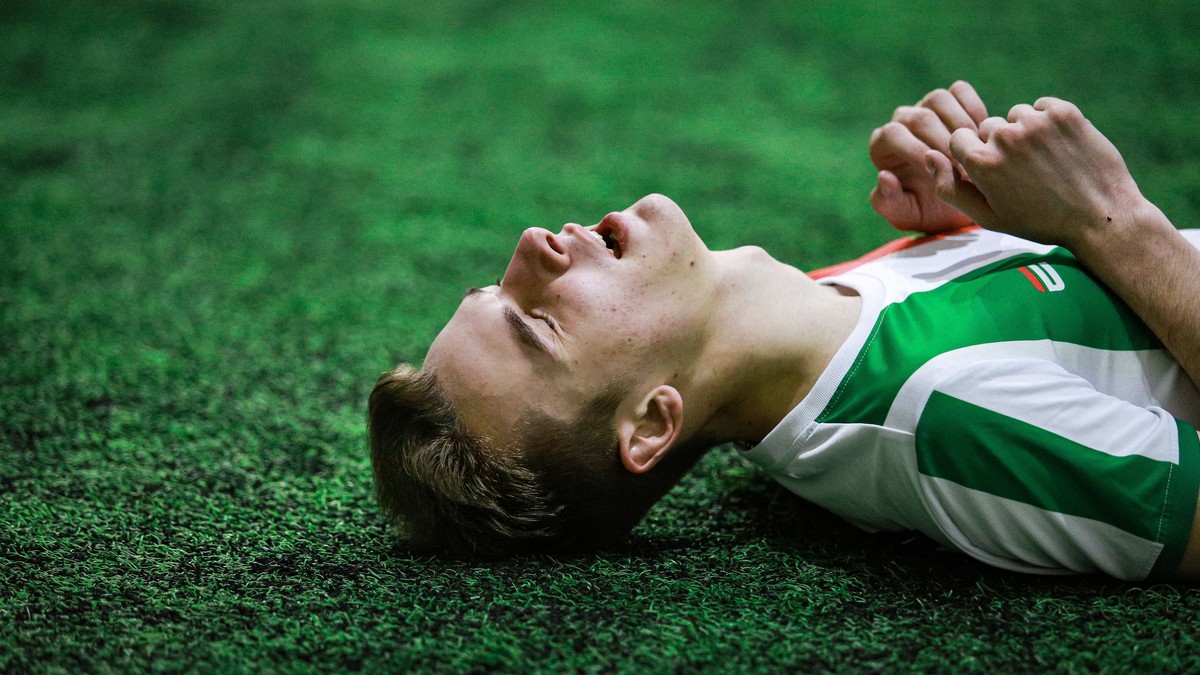
At elite football clubs, recovery is planned almost as carefully as training. Players do not simply hope to feel rested after a good night. Many build a second period of sleep into the day: a short nap designed to sharpen concentration without leaving them heavy-legged or wide awake at bedtime.
The useful part is not copying a professional’s entire routine. It is understanding why a brief early-afternoon nap can fit ordinary life too. The common target is about 20 minutes and the timing matters just as much as the duration.
Why the nap stays deliberately short
A long daytime sleep can feel tempting after a poor night, especially when the alarm has sounded early. Yet going too deep often produces the opposite of the desired effect. The person wakes slowly, feels disorientated and may spend the next hour trying to recover from the recovery.
Twenty minutes creates a useful boundary. It gives the body time to settle and the mind a chance to switch off while reducing the likelihood of waking from a deeper stage of sleep. In football, that can mean arriving at an afternoon session feeling alert rather than flat.
The same logic applies before a meeting, an evening training session or the school run. The aim is not to disappear under the duvet for half the day. It is to create a small reset. As the simplest version of the rule puts it: “Wake up fresher than when you lie down.”
Why the clock should not drift beyond 3pm
The body builds sleep pressure across the day. Napping too late can reduce that pressure just when it needs to be rising towards the evening. Someone may feel brilliant at 5pm and then stare at the ceiling after midnight wondering why sleep will not come.
That is why sports medicine teams often schedule naps before 3pm. It sits close to the natural early-afternoon dip many people recognise after lunch. Energy and attention can briefly soften at that time even when the meal was sensible and the previous night was reasonably good.
Timing the rest inside that dip makes it easier to fall asleep quickly and get up without turning the nap into a second night. The alarm should be set before closing the eyes. Allowing a few extra minutes to settle is reasonable but an open-ended nap is where the routine often unravels.
How amateur players can use the same idea
Most amateurs do not have a recovery room, a performance coach or a schedule built around training. They may finish work and head straight to the pitch. That makes a short nap harder to arrange but potentially more valuable on demanding days.
A quiet bedroom is not essential. A sofa, a supportive chair or a quiet break room can work if the neck is comfortable and interruptions are limited. The practical routine is simple:
- choose a window before 3pm;
- silence notifications and dim the room;
- set an alarm for roughly 20 minutes;
- stand up and get some daylight after waking.
Not everyone falls asleep. That does not make the attempt pointless. Lying still with closed eyes and slow breathing can provide a genuine mental pause. The pressure to “perform” the nap is often what prevents it. A better attitude is: “Rest if sleep comes and get up when the alarm rings.”
A recovery tool rather than a cure for exhaustion
The short nap works best as an addition to adequate night-time sleep, not as compensation for repeatedly cutting the night short. Professional players may sleep twice in one day but the longer overnight period remains the foundation of recovery.
Amateurs should also notice how they feel after waking. If a 20-minute rest consistently leaves someone worse, it may not suit that person or the timing may be wrong. Caffeine late in the day, irregular shifts, stress and noise can all change the experience.
Persistent daytime sleepiness deserves more attention than another alarm. Falling asleep unintentionally, struggling to stay awake while driving or needing several naps every day can signal that ordinary tiredness is not the whole story. In that situation, a conversation with a GP is more sensible than simply copying a footballer’s schedule.
For most people, the attraction is the modesty of the habit. No complicated equipment is required and there is no heroic promise attached to it. A short nap taken early enough may simply make the second half of the day feel clearer without stealing sleep from the night.
