
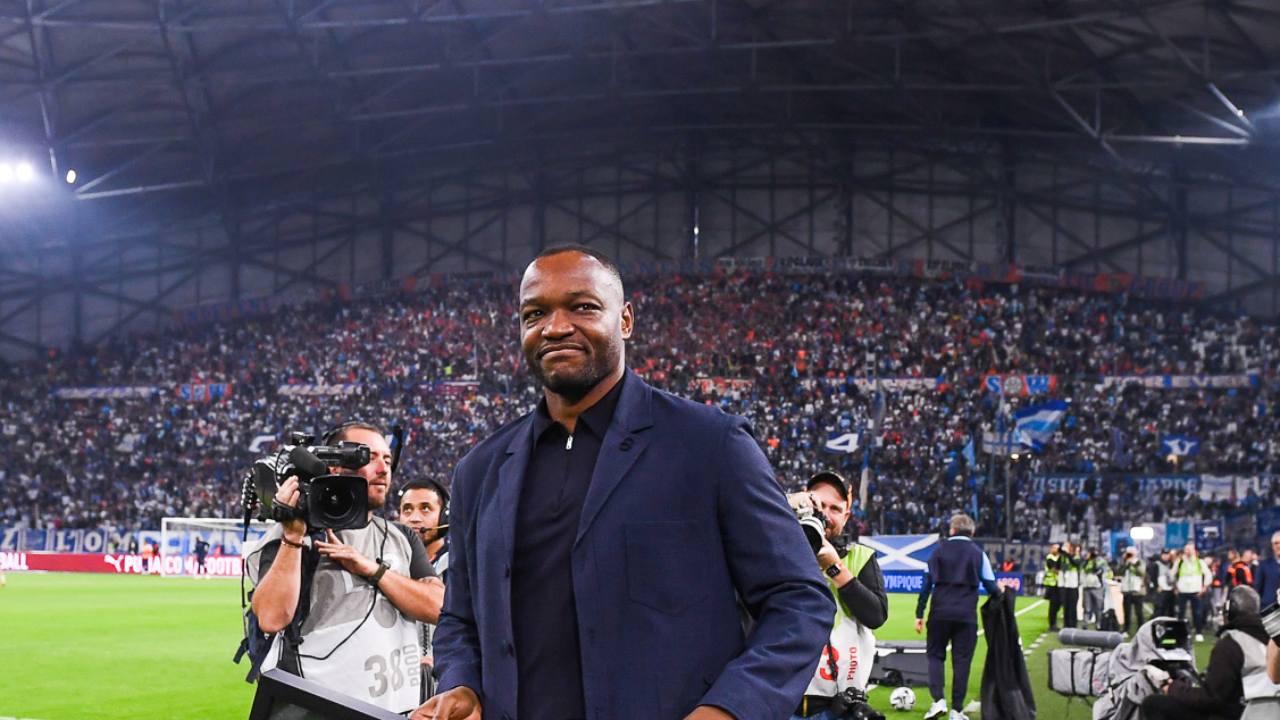
Steve Mandanda was smiling a year ago as he ended his magnificent career. The coincidence of the calendar had in fact reserved a trip to the Vélodrome for his last match. And if Habib Beye had to insist, the French world champion had replaced Brice Samba in the last minutes of the match and received an incredible ovation from the Marseille public. “A magical moment”, by his own admission.
But three months later, when his decision to leave the field materialized, the former Le Havre experienced a much more complicated period as he recounts in his book The Days After, which appears this Wednesday.
“After the holidays, there is the resumption of training, he told the microphone of RMC. It was a very difficult moment. Since the age of 14, I have had a resumption, a preparation. You see people on the networks, the clubs are starting again. You’re here, you’re not doing anything. The difficulty for me was this moment in life when you do absolutely nothing. You don’t do anything because you don’t feel well, and you don’t know what to do. You were used to going to training every day. »
“At that time, I was depressed”
What followed was an infernal spiral with depression as a result, even if he understands the power of this word. “You fall into a vicious cycle where the less you do, the more you degrade yourself, and the more you degrade yourself, the less you want to go out. You don’t want to meet people, you want to avoid a photo, a reflection, he explained. The longer it goes, the deeper you sink and the less you do. You have to be careful with the word depression. Some people really suffer from it, and can die from it. It’s a term I find difficult to use publicly, but for me at the time, I was depressed. »
By his own admission, Steve Mandanda had nevertheless been alerted to the dangers of retirement but these warnings were not enough to apprehend this small death experienced at the time of his retirement after more than two decades among professionals.
“All the elders told me, ‘As long as you can play, play.’ They told me ‘Be careful, the ending is hard’. But you’re in your thing, you say to yourself what is he telling me about the old one, he pointed. Until you experience it, you don’t know. At that moment, you remember certain conversations. This year, I met a lot of former athletes and I would say that 7, maybe 8 out of 10 experienced the same thing. »
